Don’t think of rewriting as needing to suddenly make a story perfect, particularly when going from the first draft to the second. You can keep entire chunks of text from a previous version. You can make notes in your second draft, or your third, or your fourth. It’s okay to note that a line is awkward and then move on, or to make a note that you need to add a scene but not write it yet. Writing is a process, and you don’t need to get it all in one try.
This is, in fact, usually better for your manuscript in the long term.
Each draft should be focused around correcting certain things, specific plot lines or character arcs or relationships, descriptions or dialogue, actions or emotions, etc.
If you try to fix too many aspects during a single draft, you’ll run the risk of overwhelming yourself and/or making mistakes you could have avoided by limiting your focus.
Yo so my little brother snapchatted me this morning. He’s in precalc right now and he has the same teacher I had 3 years back.
Like, I’d almost forgotten but I’d discovered some convenient property for figuring out the intersection of weird-ass graphs. Something much easier than the way it was being textbook-taught. I showed my teacher and she was like “damn ur right” and showed the class how to do it that way.
Apparently she teaches her class my method now?? Like the course has been modified and kids learn to do it the “Chrissy Long Theorem” way instead of the way it’d been taught all the years before. My legacy lives on in some nerd-ass math. What a thing
My poor lil bro though. Now he’s gotta try to come up with some theorem to stack up. Pray for him he hates math.
It’s been 3 years, so I’m a liiiittle fuzzy, but I think I remember how it went down. Never mind I actually remember it perfectly lol
So if you’re graphing a function which is a quotient of polynomials (like a “cubed” function divided by a “squared” function, like you can see in the snap) there are usually asymptotes associated with the graph. Can be lines, can be parabolas. You find it by performing long division on the two polynomials–it’ll be their quotient. From the snap, it looks like they’re graphing 2x^3/(x^2-x-6), and the found asymptote is 2x+2.
The follow-up question that needs to be answered is “Does the graph ever intersect the asymptote at any point?” Sometimes it does, and you need to be able to represent it on the graph. The old textbook way involved taking your solved-for asymptote (the 2x+2 here) and setting it equal to the graphed equation ( 2x^3/(x^2-x-6)), solving out for x, and seeing if it equals a value. This probably requires some quadratic formula tinkering in most scenarios.
I noticed something though. You could answer the “does it cross?” question far, far more simply by looking at the remainder from the original long division. See that “14x+12″ which is left over on the board? If that can be set equal to 0 and solved out for x, then a) yes it crosses, and b) it crosses at the value of your solved-for x. You just need to take that x and plug it into your line to find y.
So in short, instead of kids have to solve 2x+2 = 2x^3/(x^2-x-6) for x, I realized you only have to solve 14x+12 = 0. In which x= -12/14, which simplifies to -6/7. And then the y comes from plugging in that x to the solved-for line y=2x+2.
Glancing at it now, I also know what the proof is for this, and why it works infallibly:
My method hones in on the x-value which will make the remainder 0. If the remainder is zero, that means the division between the numerator and denominator polynomial is exactly equal to the value of the asymptote line for this x. It’s almost as simple as saying “Because 6/3 = 2 with no remainder, that means 6/3 REALLY DOES equal 2. As opposed to, for example, 7/3 = 2 R1, where 7/3 doesn’t really equal 2.)
So by virtue of these two Y VALUES being exactly equal to each other at a specified X VALUE, it follows that my method has identified a coordinate (X, Y) which denotes a point of intersection between the graphed function and its asymptote.
As requested, somethin’ about hair/haircuts, i didn’t know what to exactly draw but i’m usually very concerned about people adding unnecessary details!
Hmm you’re incredibly vague so I just did a process thing. Hope this helps! Also generally don’t shade with black/gray unless you know there’s a certain look you’re going for.
Et voila! Sweet little sugar free lolly gunslinger Kyle as reference :’D Feel free to change up the shadow colors to get different effects. Have fun!
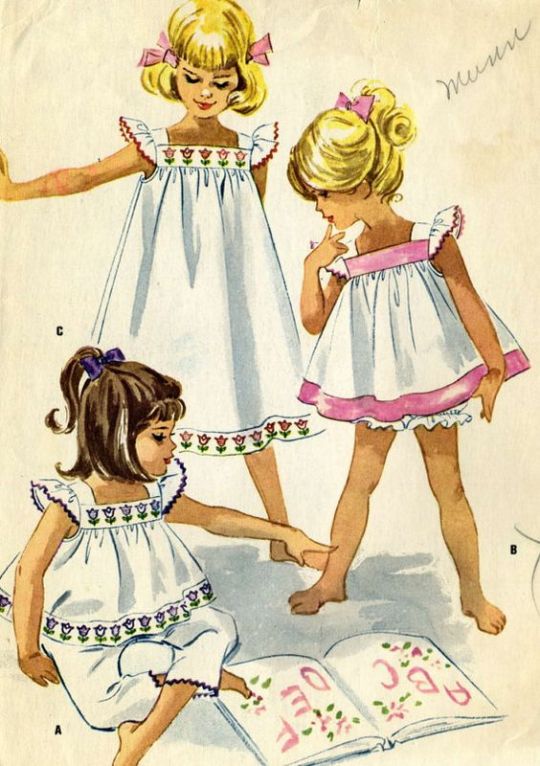
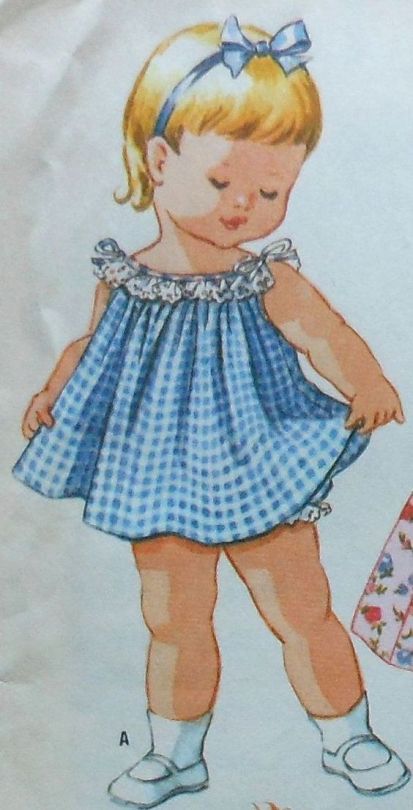
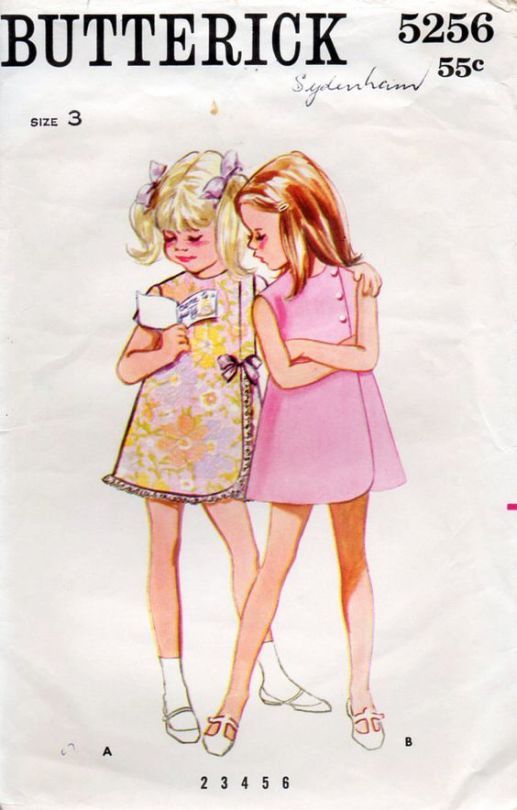
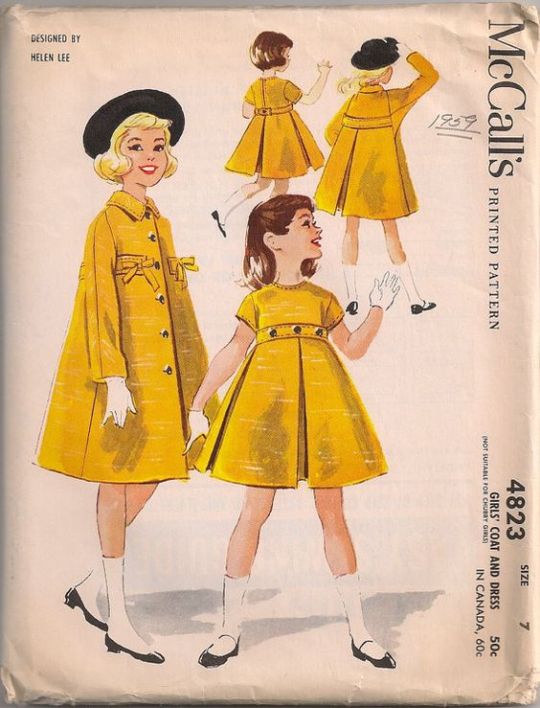
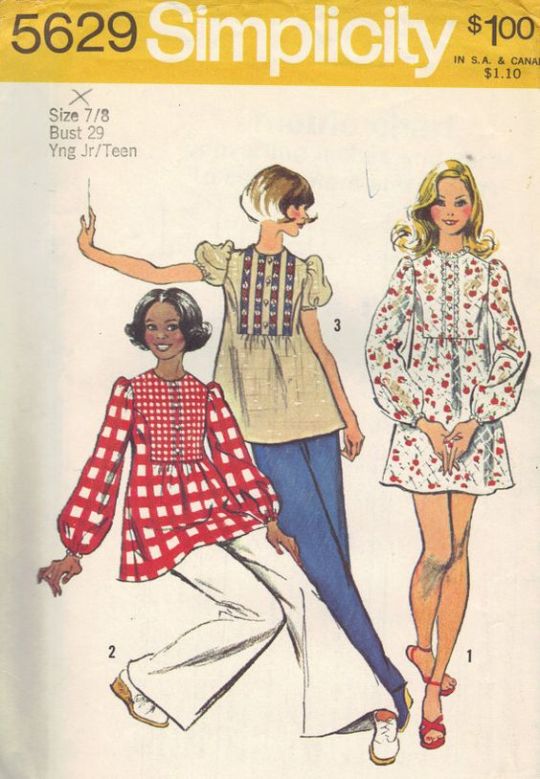
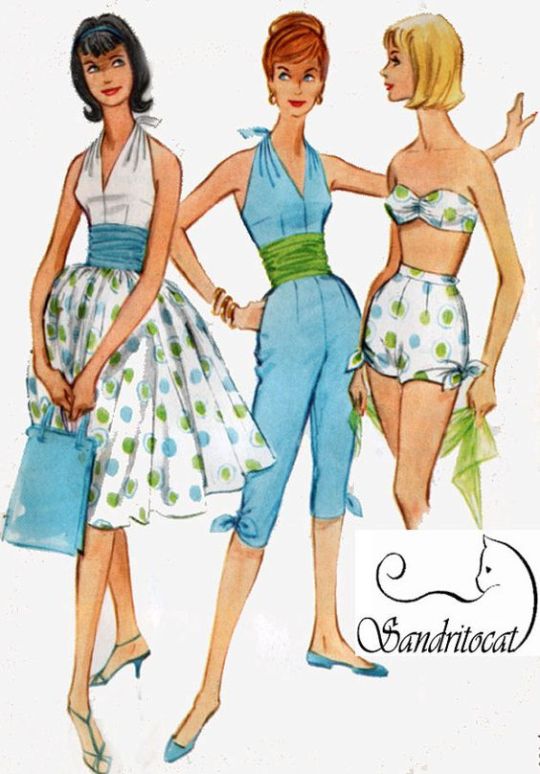
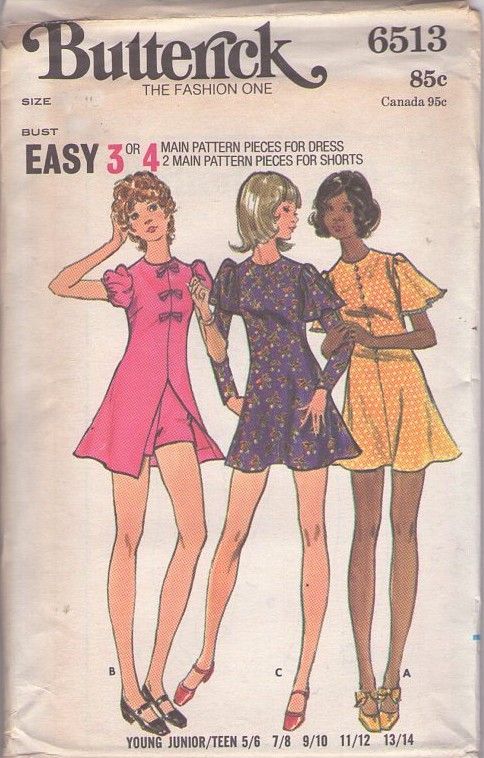
not gonna lie if you are like me and suck at coming up with poses using vintage sewing patterns for inspirations is so helpful for interesting poses that still display the character in a seeable way here are some examples of my favorites
because they are literally drawn in a way to show off their outfit but still be interesting and not boring
some more examples incase the ones above weren’t convincing enough on how much this is a lifesaver especially if you want find interesting poses of people interacting with each other
I mean if you think about it they are drawn in poses that usually Models in magazines do. And those poses are meant to be interesting and draw the viewer in for a closer look bust still be refreshing and easy on the eyes
I use pintrest to find these I have a board that i’m constantly adding to though while its currently small as I make this post you can use it as a starting off point if you want to
what do you type in the search i would love to check it myself.
i’ve always have interest with those kind of styles with a bit of a modern yet modest type.
This time I wanted to make a video talking about the way I draw currently, my thinking process and how I simplify parts of the body to speed up my drawing time, Also I talk about drawing the hand and I’ve included a lot of tips here that I’m sure you will find interesting, Im planning on doing more videos like this but I REALLY would like your feedback on what topics I can cover this way.






 marshcookie